
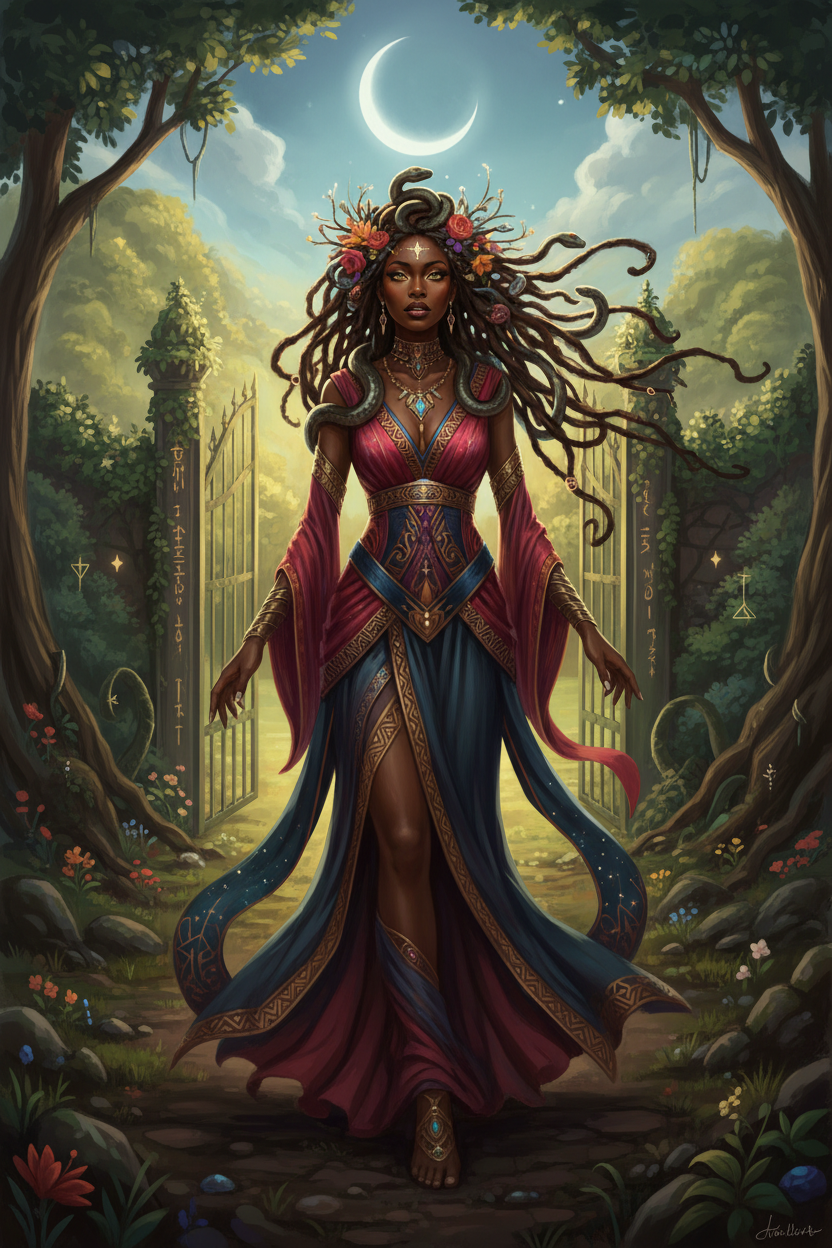
Lilith is a figure steeped in myth and mystery, often perceived as the first wife of Adam in Jewish folklore. Her story, rich with themes of rebellion, independence, and dark feminine energy, has captivated and inspired many throughout history. Let’s delve into her narrative, explore her significance, and understand what she represents in the context of feminine power.
The Origins of Lilith
Lilith's origins can be traced back to ancient Mesopotamian mythology, where she was associated with wind and storms. However, her most famous story emerges from Jewish texts, particularly the **Alphabet of Ben-Sira**, which dates back to the medieval period. According to this narrative, Lilith was created from the same earth as Adam, making her his equal. This is a stark contrast to the biblical account of Eve, who was fashioned from Adam’s rib, symbolizing a subordinate role.
Rebellion and Exile
Discover the captivating story of Lilith, the first wife of Adam in Jewish mythology. Explore her themes of defiance, autonomy, and dark femininity, as she challenges traditional gender roles and embodies independence. From her creation from the same soil as Adam to her rebellion and subsequent banishment, Lilith emerges as a powerful symbol of feminine strength, inspiring women to reclaim their narratives and embrace their true identities.Lilith's tale takes a dramatic turn when she refuses to submit to Adam. The crux of her rebellion lies in her demand for equality in their relationship. When Adam insists on a more dominant role, Lilith chooses to leave the Garden of Eden rather than conform. This act of defiance leads her to be chased by two angels, who are sent by God to bring her back. In her pursuit of freedom, Lilith stands as an emblem of autonomy, breaking the shackles of traditional gender roles.
After resisting the angels, she is ultimately exiled and exiled to the Red Sea, where she becomes a figure associated with demons and dark forces. Over time, she is often referred to as the **mother of all demons**, symbolizing both fear and empowerment. This transformation from a figure of rebellion to one of dark femininity reflects society's ambivalence towards powerful women—those who dare to defy the norm often become vilified.
Lilith as the Dark Feminine
In modern interpretations, Lilith embodies the concept of the **dark feminine**, a term that encompasses the complex, often misunderstood aspects of femininity. This archetype includes themes of:
-Independence: Lilith's refusal to conform to Adam's expectations underscores the importance of personal autonomy and self-definition for women.
- Rebellion: Her story is a powerful reminder of the necessity of challenging oppressive structures. Lilith's flight from Eden symbolizes a rejection of subservience and a call for women to embrace their own desires and ambitions.
- Mystery and Power: Lilith is associated with the unknown and the supernatural, representing the aspects of femininity that society often fears or misunderstands. Her connection to demons highlights the complexity of female power—one that can be both nurturing and destructive.
Lilith in Contemporary Culture
Lilith's narrative has been revived and reinterpreted in modern literature, art, and feminist discourse. She is often embraced as a symbol of female empowerment, encouraging women to reclaim their strength and assert their identities. From books and films to art installations, Lilith serves as a muse for those seeking to explore themes of sexuality, power, and independence.
Lilith's story is one of transformation and defiance. As a figure who chose autonomy over subservience, she resonates with the struggles and triumphs of women throughout history. Embracing the dark feminine energy that she represents allows for a broader understanding of femininity—one that acknowledges the power found in rebellion and the beauty of independence.
In exploring Lilith, we not only uncover a rich tapestry of myth but also challenge the narratives surrounding women’s roles in society. She stands as a reminder that embracing our true selves, in all their complexity, is a powerful act of rebellion in itself.
Whether viewed as a demon or a goddess, Lilith continues to inspire, urging us to reclaim our narratives and embrace the fullness of our identities.


Leave a comment
This site is protected by hCaptcha and the hCaptcha Privacy Policy and Terms of Service apply.